Radon Foundation Access: Why It Matters for Your Home's Safety
The Hidden Risk Beneath Your Home
For years, I've worked with homeowners across St. Louis who are shocked to learn that radon, a radioactive gas you can't see or smell, could be seeping into their living spaces from the soil beneath their foundation. The good news is that radon mitigation is a proven, effective solution. But the success of any mitigation system depends on one critical factor: radon foundation access. Without proper access to the foundation, even the best equipment and plans can fall short.
Radon forms naturally from uranium in soil and rock. As it decays, it releases radioactive particles that can damage lung tissue over time. The EPA estimates that radon causes thousands of preventable lung cancer deaths each year. For homes in St. Louis, where soil composition and climate patterns can trap gas beneath structures, testing and mitigation are essential steps toward a healthier indoor environment.
What Is Radon Foundation Access?
Radon foundation access refers to the physical ability to install, inspect, and maintain radon mitigation equipment through or around a building's foundation. Most mitigation systems rely on a technique called sub-slab depressurization. A contractor drills a small hole through the concrete slab, inserts a radon inlet connected to PVC piping, and runs that pipe to a fan system that draws soil gas from beneath the house and vents it safely above the roofline. Without clear access to the slab, whether it's buried under finished flooring, blocked by walls, or located in a tight crawl space, the job becomes much harder.
I've seen homes where the builder poured the slab directly over rocky fill, making it difficult to find a clean drilling point. Others have finished basements with carpet and glued-down tile that obscure the concrete. In those cases, radon foundation access can mean the difference between a straightforward installation and a complex retrofitting project that requires cutting through finished materials.
How Sub-Slab Depressurization Works
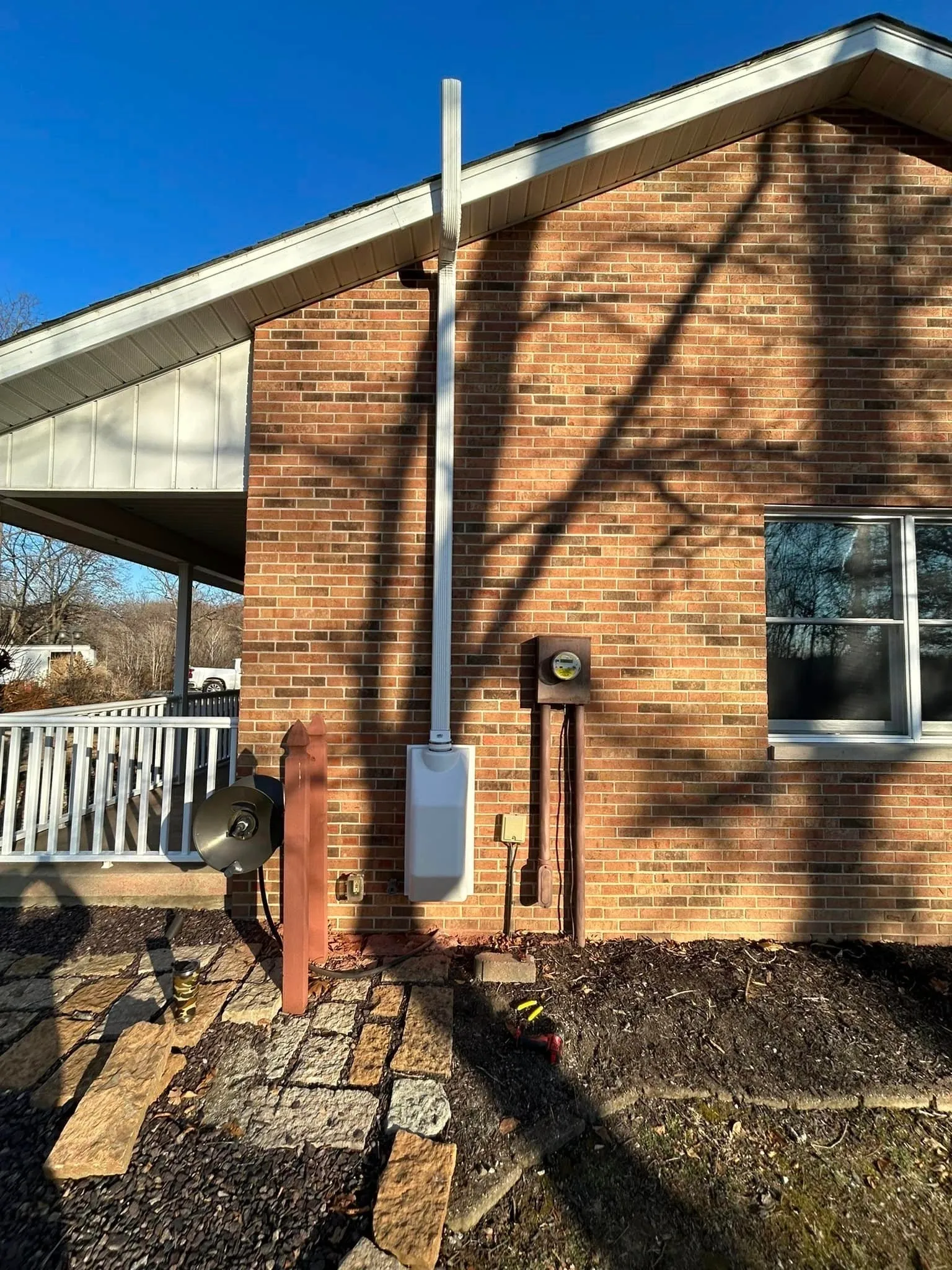
The core of most radon mitigation systems is sub-slab depressurization. A contractor creates a small cavity beneath the slab, often by drilling a hole and installing a suction point. The PVC piping connects to a fan system that runs continuously, pulling soil gas from under the house and expelling it outdoors. A manometer, a simple U-tube gauge, sits on the pipe to show whether the fan is maintaining negative pressure under the slab. If the manometer reads zero, something is wrong.
Post-installation verification is critical. After the system is in place, a technician uses a continuous radon monitor to measure indoor levels over a period of at least 48 hours. The goal is to bring the radon level below the EPA action guideline of 4 picocuries per liter. Without proper radon foundation access, verification can be compromised. For example, if the fan draws air from a cracked pipe instead of from beneath the slab, the system won't work as intended.
Common Obstacles to Foundation Access
- Finished basements with glued-down flooring or ceiling tiles that block the slab.
- Crawl spaces too tight for a technician to reach the sub-slab area.
- Thick concrete slabs that require special drilling equipment.
- Underground utilities, such as plumbing or electrical conduits, that run through the slab.
- Previous sealing attempts that used epoxy or paint, which can trap moisture and interfere with suction.
Each obstacle demands a tailored approach. In one St. Louis home I consulted on, the owners had installed a beautiful hardwood floor over the concrete slab. The contractor had to carefully remove a section of flooring, drill the slab, and then restore the floor with a hidden access panel. That project succeeded because the homeowner understood the importance of maintaining future access for maintenance and monitoring.
Sealing and Radon-Resistant Construction
Sealing cracks and openings in the foundation is a complementary step that reduces the amount of soil gas entering the home. But sealing alone is rarely enough. Combined with sub-slab depressurization, it creates a robust barrier. New construction can incorporate radon-resistant construction techniques, such as a layer of gravel below the slab, a vapor barrier, and a rough-in for piping that makes future radon foundation access straightforward. For existing homes, retrofitting is more involved but still effective.
Air Sense Environmental, a local provider in St. Louis, emphasizes the importance of planning for access. They recommend that homeowners consider radon foundation access before finishing a basement or covering a slab. That way, if testing reveals elevated levels later, the mitigation system can be installed without major disruption.
Beyond the Slab: Radon in Water
Radon can also enter a home through water, especially if the property uses a private well. When water is agitated, during showering, washing dishes, or laundry, radon gas is released into the air. In such cases, treatment may involve an activated carbon filter or aeration system. While this article focuses on foundation access, it's worth noting that whole-home radon mitigation should address both soil gas and water pathways for complete protection.
Maintenance and Monitoring
A radon mitigation system is not a set-it-and-forget-it appliance. The fan system runs continuously and should be inspected periodically. The manometer provides a quick visual check: if the fluid levels are equal, the fan may have failed or the piping may be blocked. A continuous radon monitor can be placed in the lowest living level to track levels over time. Some homeowners choose to purchase their own radon test kit every few years to confirm the system is still performing.
Post-installation verification is not just a one-time event. Many reputable contractors offer a mitigation warranty that covers parts and labor for a period, often five to ten years. Read the fine print: some warranties require annual inspections or proof that the manometer was checked. Having radon foundation access makes those inspections faster and less expensive.
Working With Local Professionals
State health departments, including those in Missouri and Illinois, provide radon information and can recommend certified testers and mitigators. The EPA also maintains lists of qualified professionals. When you hire a contractor, ask about their experience with different foundation types. A company that has dealt with St. Louis's varied soil conditions, from clay to loess to rocky fill, will have practical knowledge that a national chain might lack.
I recall a project where the homeowner had already installed a sump pump in the basement. The contractor used that existing penetration to create radon foundation access, saving both time and money. That kind of creative problem-solving comes from experience.
Cost and Value Considerations
The cost of radon mitigation varies based on the complexity of the system and the condition of the foundation. A typical sub-slab depressurization installation runs between $800 and $1,500, though difficult-access jobs can cost more. That price includes the fan system, PVC piping, manometer, and post-installation verification. Compare that to the potential health costs of long-term radon exposure, and the investment looks modest.
Some homeowners worry about aesthetics, visible pipes on the exterior of the house or a fan noise. Modern systems are quiet and can be painted to match the siding. The radon inlet inside the house is usually a small, flush-mounted plate that blends into the floor. With careful planning and radon foundation access, the system can be nearly invisible.
Final Thoughts
Radon mitigation isn't a mystery. It's a well-understood process backed by decades of research. But the physical realities of each home matter. If you can't reach the foundation, you can't fix the problem. When you're building a new home or renovating an existing one, think ahead. Talk to your contractor about radon foundation access. Test your home if you haven't already. And if your levels are high, call a certified professional who knows how to work with concrete slabs, soil gas, and the unique challenges of St. Louis homes. Your health, and your family's health, is worth the effort.